Join the William H. Porter ’62 Lecture Series in Clinical Chemistry and Biochemistry.
The William H. Porter ’62 Lecture Series in Clinical Chemistry and Biochemistry is an endowed seminar series established to honor the legacy of William H. Porter, Class of 1962. This annual event brings distinguished experts in clinical chemistry, biochemistry and related fields to share their research and insights with The Citadel community.
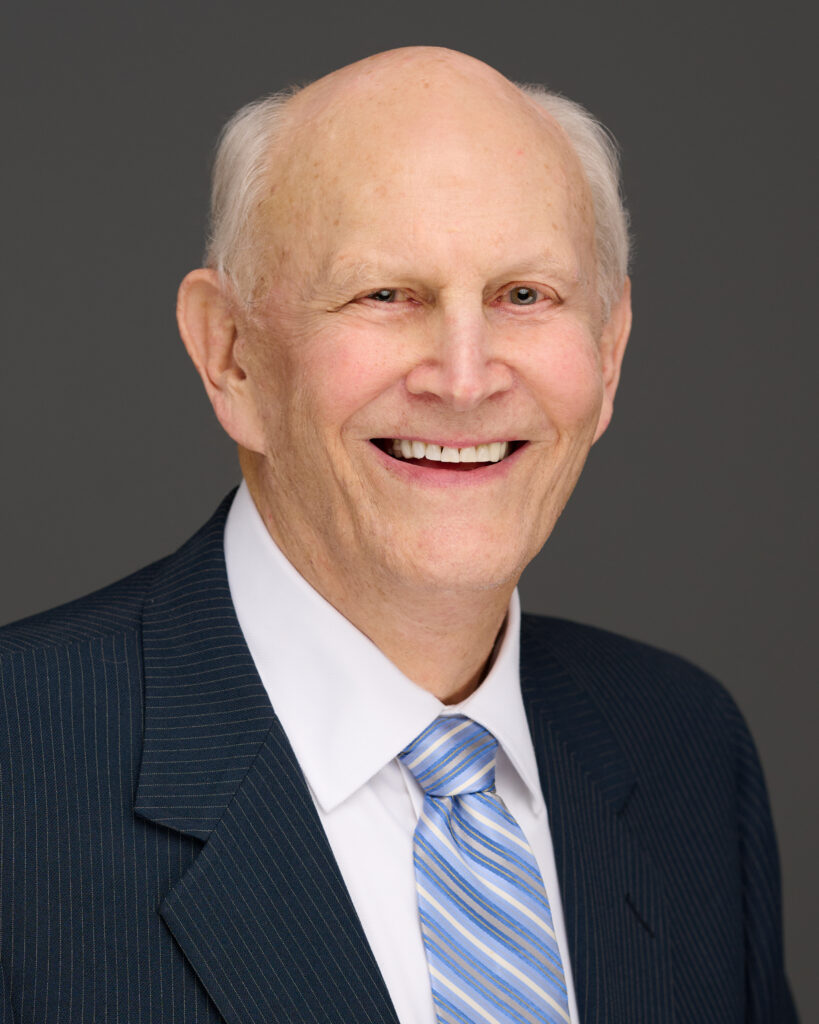
2026 Lecture Series
Molecular Mechanisms of Antibiotic Resistance and Emerging Therapeutic Strategies
Join us for a insightful talk with Dr. Robert Bonomo, whose research focuses on the molecular mechanisms of antibiotic resistance, particularly β-lactamases and penicillin-binding proteins in pathogens. His laboratory has advanced structural and functional studies of β-lactamase enzymes, developed β-lactamase inhibitors, and contributed to molecular diagnostics for multidrug-resistant organisms. A co-inventor on several antimicrobial patents, Dr. Bonomo’s work continues to advance our understanding of antimicrobial resistance and the development of new treatments.
Date: Thursday, November 5, 2026
Time: 6:30 pm, public welcome, with reception to follow
Location: Capers Hall Auditorium (room 1026)
Hosted by The Citadel Department of Chemistry and Biochemistry
Learn more about Dr. Bonomo
Bio: Robert A. Bonomo is an American physician-scientist and academic leader renowned as a global authority on antimicrobial resistance. He is best known for his pioneering research into the molecular mechanisms of bacterial resistance, particularly focusing on β-lactamase enzymes, which has directly informed the development of new therapeutic strategies. His career embodies a dual commitment to cutting-edge laboratory science and transformative clinical leadership within the Veterans Affairs healthcare system.
After receiving his undergraduate degree from Hamilton College in Clinton, NY, he went on to receive his medical degree from Case Western Reserve University (CWRU). Dr. Bonomo completed his postgraduate training in internal medicine and a fellowship in infectious diseases at University Hospitals of Cleveland. He subsequently practiced geriatrics and infectious diseases at University Hospitals of Cleveland and the VA Medical Center. This clinical experience directly shaped his future research focus, as he witnessed the devastating impact of multidrug-resistant organisms in real-world settings.
In the 1990s, he established his research laboratory at the Louis Stokes Cleveland Veterans Affairs Medical Center, beginning a decades-long partnership that would become the central pillar of his work.
Dr. Bonomo is Chief of the Medical Service and Director of the Geriatric Research, Education, and Clinical Center at the Cleveland VA Medical Center. He is Professor of Medicine, Pharmacology, Molecular Biology and Microbiology, Biochemistry, Proteomics, and Bioinformatics at CWRU School of Medicine. He is also Director of the CWRU-Cleveland VAMC Center for Antimicrobial Resistance and Epidemiology.
His major interests are antibiotic resistance, infections in the elderly, and the application of molecular diagnostics to infectious diseases. His research focuses on the mechanistic basis of resistance to β-lactam antibiotics and β-lactamase inhibitors, the molecular epidemiology of multidrug-resistant gram-negative bacteria, and the implementation of molecular diagnostics in clinical care.
He is an elected member of the American Academy of Microbiology and the Association of American Physicians. He is also Co-Director of the Laboratory Center of the Antibacterial Resistance Leadership Group (ARLG).
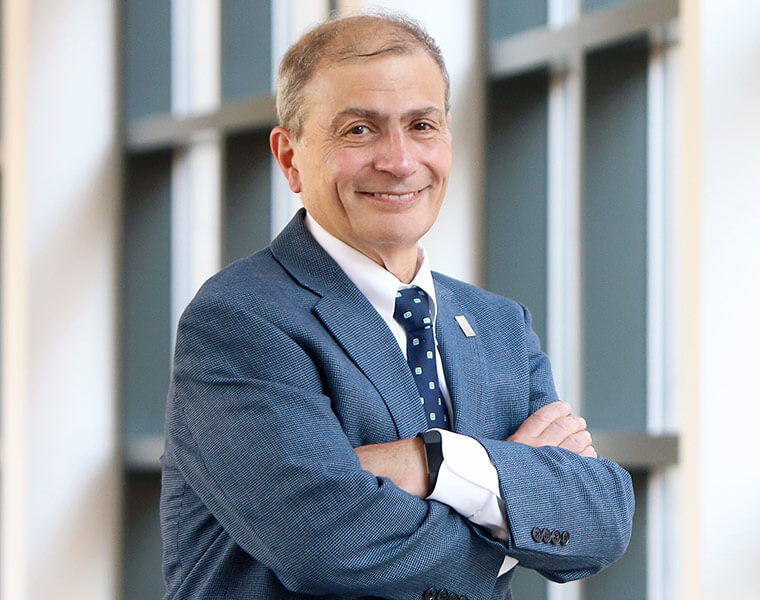
2025 Lecture Series
Maintaining genome stability during the cell division cycle
Join us for a fascinating talk with Dr. David Cortez, whose award-winning research has reshaped our understanding of DNA replication and repair. Dr. Cortez pioneered the groundbreaking iPOND method, which revealed how cells protect against mutations, instability and cancer. Don’t miss this opportunity to hear from one of the world’s leading experts in genome maintenance.
Date: Thursday, November 13, 2025
Time: 6:30 pm, public welcome, with reception to follow
Location: Capers Hall Auditorium (room 1026)
Hosted by The Citadel Department of Chemistry and Biochemistry
Learn more about Dr. Cortez
Bio: Dr. Cortez graduated summa cum laude in biochemistry from the University of Illinois and obtained a Ph.D. in molecular cancer biology at Duke University. He then completed postdoctoral studies at the Baylor College of Medicine as a Jane Coffin Childs fellow where he discovered ATRIP as a subunit of the ATR cell cycle checkpoint kinase. In 2002, he joined the faculty at the Vanderbilt University School of Medicine. He was promoted to Ingram Professor of Cancer Research in 2009 and named the Richard Armstrong Professor for Innovation in Biochemistry in 2020. Dr. Cortez’s lab identified direct ATR-activating proteins in both human and yeast cells, elucidated the mechanisms of ATR activation, and uncovered critical ATR substrates that orchestrate DNA repair, DNA replication, and cell cycle checkpoints. Dr. Cortez made a landmark discovery of SMARCAL1 as a key replication stress tolerance protein that catalyzes replication fork reversal. He further defined pathways for fork reversal, uncovered the pivotal role of RAD51 in this process, and identified RADX as a novel regulator of RAD51. His lab’s invention of iPOND (isolation of proteins on nascent DNA) revolutionized the field by enabling quantitative characterization of the replication fork proteome. Using iPOND, Dr. Cortez identified approximately 600 proteins involved in DNA replication, chromatin packaging, DNA repair, and stress signaling. Notably, Dr. Cortez leveraged iPOND to uncover a universal DNA damage tolerance mechanism involving HMCES, which protects against mutations and genomic instability by forming a DNA-protein crosslink at abasic sites. Dr. Cortez has won several awards including the Howard Temin Award, Pew Scholar Award, Stanley Cohen Award for Outstanding Contributions to Research, and the Hans Neurath Award. In addition to his research, Dr. Cortez founded the Genome Maintenance Program in the Vanderbilt-Ingram Cancer Center (VICC). He is currently Associate Director of Basic Research in the VICC and chair of the Department of Biochemistry in the Vanderbilt School of Medicine, a department with 75 faculty. Finally, Dr. Cortez also serves on the editorial and advisory boards of journals including Science Advances and Cell Reports.
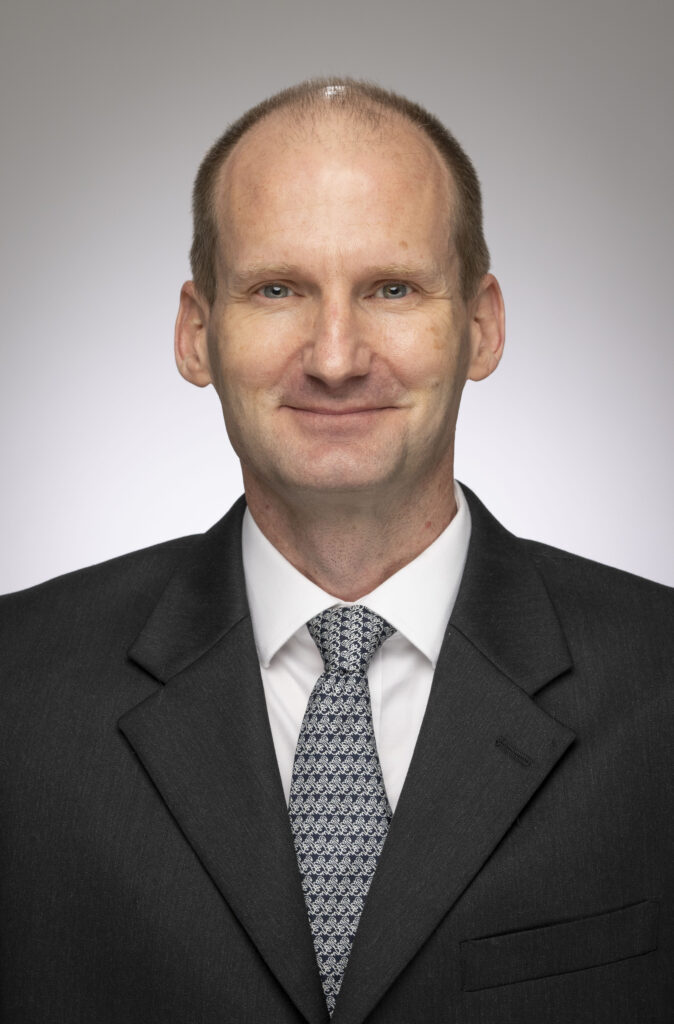
2024 Lecture Series
Time: 6:30 pm, public welcome
Date: September 17, 2024
Location: Duckett Hall 101
Hosted by The Citadel Chemistry Department
Speaker: Russell “Chip” Norris, PhD
Department of Regenerative Medicine and Cell Biology, MUSC, Charleston, SC
Title: Reshaping medicine through patient-led innovation
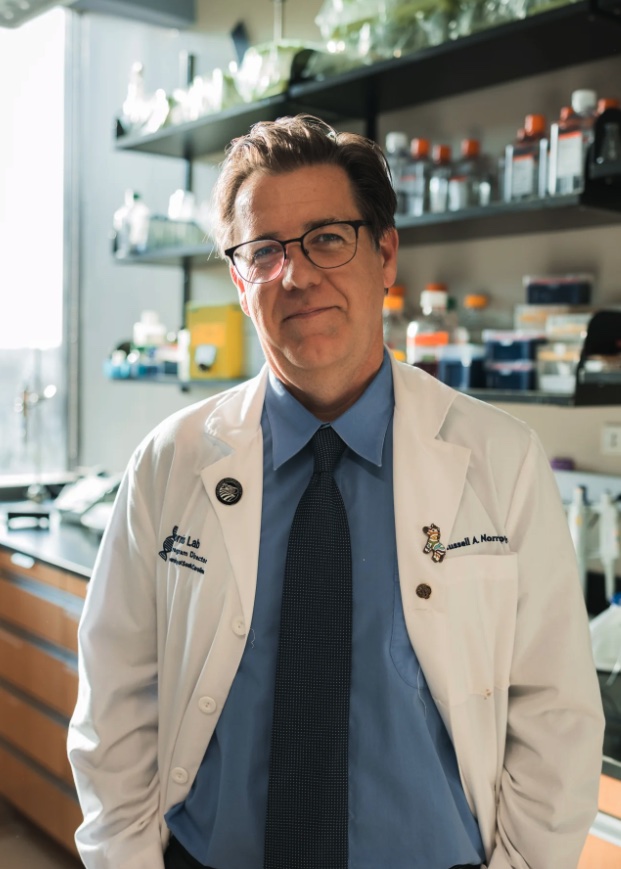
Bio: Dr. Norris is a tenured professor at MUSC in Regenerative Medicine and Cell Biology, with clinical roles in Neurosurgery and Cardiology. Originally from Cincinnati, Ohio, he completed his PhD in Biomedical Sciences at MUSC in 2000. Following his postdoctoral training, he established his research lab at MUSC in 2007, focusing on the genetic and developmental origins of both syndromic and non-syndromic connective tissue diseases, including heart valve disease and cardiomyopathies.
Recently, Dr. Norris’s lab has focused on Ehlers-Danlos Syndromes (EDS), leveraging one of the largest global clinical registries and the first animal model for hEDS. His “patient-scientist” initiatives seek to enhance the role of healthcare providers and researchers by integrating their lived experiences to improve patient care and deepen the understanding of EDS.